Inside the Tandoor: Authentic Indian Cooking at Chulia Court Penang
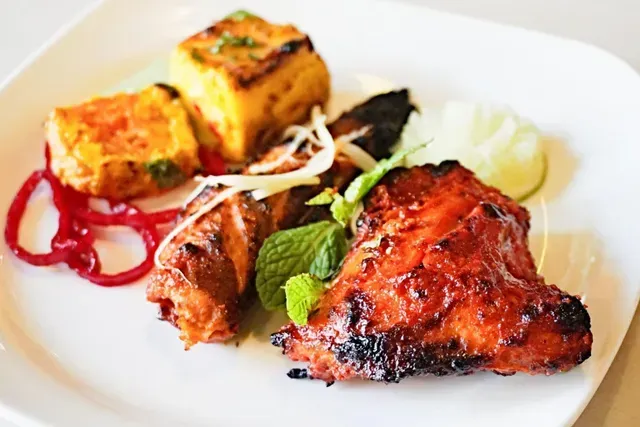
There is a moment, somewhere between ordering and the food arriving, when you notice the quality of what a tandoor kitchen produces is different from other Indian restaurants. The char on the chicken has a depth to it. The bread arrives with a particular blister and softness. The paneer holds together rather than crumbling, and its edges have caught colour from a heat you can't replicate on a standard grill. That moment is what Chulia Court's kitchen is built around.
The tandoor oven sits at the heart of North Indian cooking for reasons that go beyond tradition. Once you understand what it does and why, the food makes a different kind of sense, and Georgetown has very few kitchens where it is used as seriously and as consistently as it is here.
What a Tandoor Actually Is
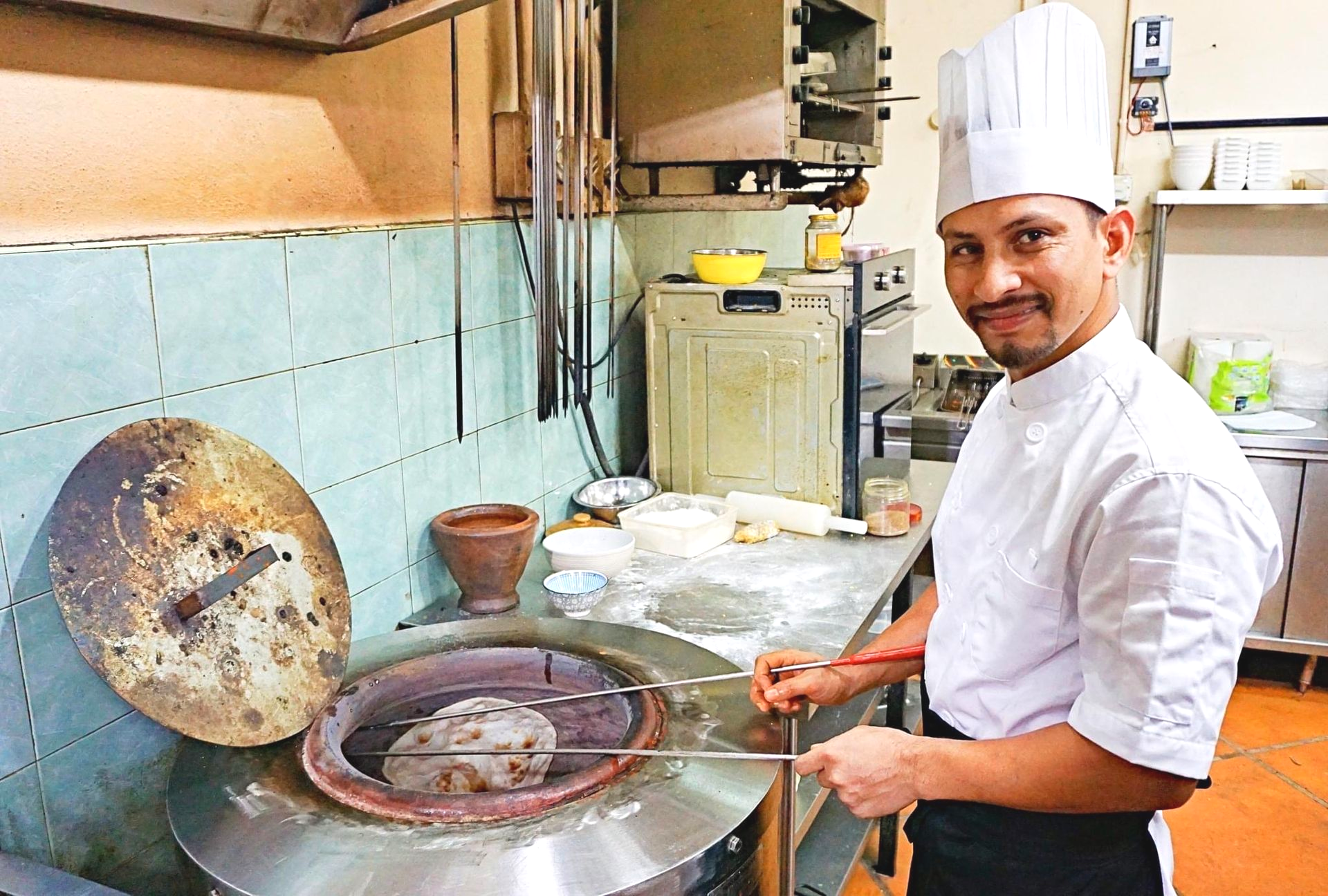
A tandoor is a cylindrical clay oven, traditionally built into the ground, though most restaurant versions sit above it. It is heated by charcoal or wood burning at the base, and the temperatures it reaches are remarkable, anywhere from 300 to 480 degrees Celsius at full heat. For context, a standard kitchen oven typically tops out at around 250 degrees. The difference isn't just a number. It changes what happens to food entirely.
When meat or fish or paneer goes into a tandoor on a long metal skewer, it cooks fast and from all sides at once. The intense heat seals the outside quickly, locking in moisture, creating that distinctive char, while the inside cooks through without drying out. The smoke from the charcoal infuses the food as it cooks, adding a layer of flavour that simply cannot be replicated on a flat grill or in a conventional oven. This is why tandoori chicken tastes like tandoori chicken, and why no home kitchen version ever quite gets there.
The clay itself plays a role too. As the oven heats up over hours of use, the walls absorb and radiate heat evenly. A well-seasoned tandoor, one that has been in regular use, cooks differently from a new one. The accumulated heat of hundreds of previous cooking sessions is, in a sense, baked into the walls.
What Comes Out Of It
At Chulia Court, the tandoor is responsible for a significant portion of what arrives at the table, and the range is wider than most people expect.
The Tandoori Chicken (RM 29) is the natural starting point. Marinated in a proprietary blend of spices and yoghurt that the kitchen calls the "Chulia Court" blend, it goes into the tandoor and comes out with that characteristic reddish char and a fragrance that is difficult to describe accurately to someone who hasn't encountered it before. The outside has texture and colour from the fire. The inside stays tender because the marinade has done its work and the heat did the rest quickly.
The Chicken Tikka (RM 34) uses boneless cuts marinated in yoghurt, traditional Indian herbs, and spices — grilled over charcoal fire until the edges catch. It's a cleaner, leaner eat than the full tandoori, and the boneless format makes it easy to share. The Chicken Black Pepper Tikka (RM 34) takes the same base and adds freshly ground black peppercorn, ginger, and garlic to the marinade, a noticeably bolder result with a warm heat that builds slowly.
Peshwari Chicken (RM 34) is one worth seeking out if you're less familiar with regional North Indian cooking. The marinade uses hung curd, cream, and cashew paste alongside the spices — the result is richer and more mellow than a standard tikka, with a creaminess that contrasts well against the char from the fire.
The Tandoor Is Not Just For Meat
This is where many people are surprised. The clay oven handles vegetables and cheese with the same intensity it applies to chicken and fish, and the results are just as compelling.
Mushroom Tikka (RM 30) — mushrooms marinated in spices, herbs, and yoghurt, then grilled until the edges have caught some colour, is a dish that earns its place on the table regardless of whether anyone at the table is vegetarian. Mushrooms take smoke well, and the earthiness of the fungi works with the tandoor rather than against it.
Paneer Tikka (RM 35) is the most ordered vegetarian tandoori at most North Indian restaurants for good reason: cottage cheese is dense enough to hold up to high heat without falling apart, and its mild flavour absorbs the marinade deeply. Served with onion and capsicum, the contrast of textures makes it one of the more satisfying starters on the menu.
The standout for the curious is the Paneer Zaffrani Tikka (RM 35), paneer marinated with saffron and grilled over charcoal fire. Saffron is a spice that rewards restraint, and its floral, slightly honeyed character against the smokiness of the tandoor produces something genuinely distinctive. It is not a dish that announces itself loudly. It's one you notice more the longer you sit with it.
For fish, the Amritsari Fish Tikka (RM 36) uses seabass with gram flour, hung curd, and a blend of spices, a recipe that has its roots in the Amritsar region of Punjab, where the combination of gram flour and yoghurt in the batter creates a crust that crisps beautifully against the tandoor's heat.
The Bread That Comes With It
A tandoor kitchen produces more than grilled proteins. The same oven bakes the bread, and at Chulia Court that bread is worth ordering in its own right.
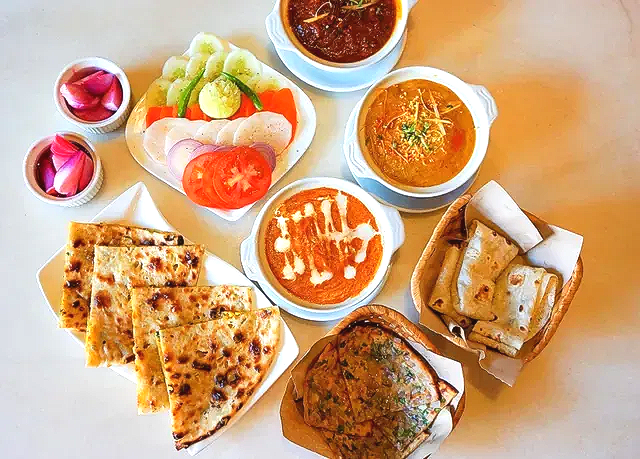
Naan dough is pressed against the inner walls of the tandoor and bakes in a matter of minutes. The Butter Naan (RM 8) arrives puffed, slightly blistered on the outside, and brushed with butter at the end, the kind of bread that is difficult to stop tearing pieces off. The Garlic Naan (RM 8) adds coriander and garlic to that equation. The Cottage Cheese Naan (RM 14) is stuffed before baking, the filling steams inside the clay oven while the outside takes on colour from the walls.
The Tandoori Roti (RM 6) is wholewheat and thinner — traditional, unpretentious, and the right choice if you want something that plays a supporting role rather than competing with the main course for attention.
The bread and the tandoori dishes are designed to work together, and ordering one without the other is, genuinely, leaving something on the table.
A Kitchen Worth Knowing
There is a tendency, when talking about restaurants, to focus entirely on the finished dish, what it tastes like, what it costs, whether to order it. The tandoor is worth understanding for a different reason: it is a piece of culinary technology that has not materially changed in thousands of years, and the food it produces cannot be convincingly reproduced any other way.
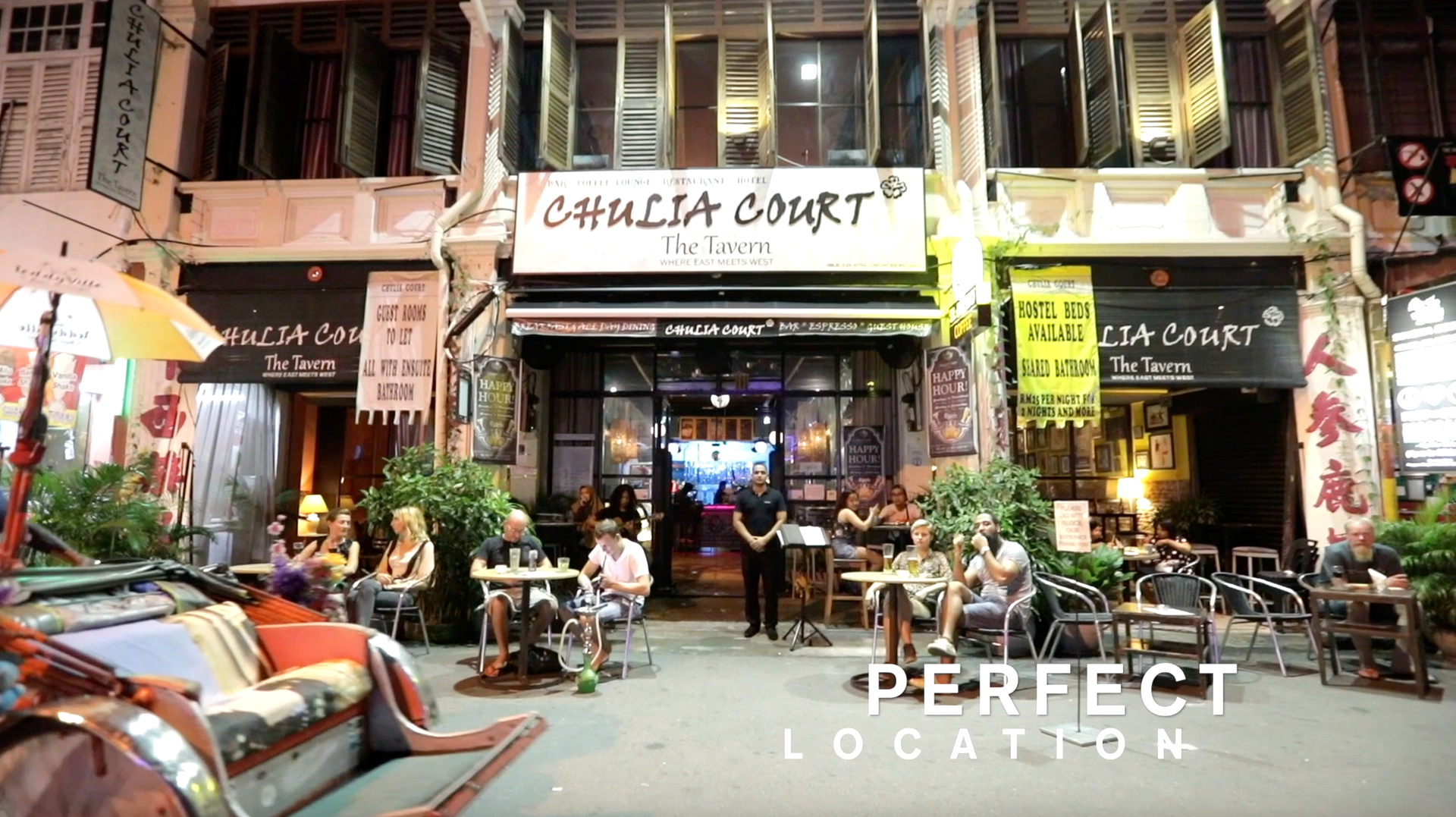
Walking past Chulia Court, that smell in the air is the tandoor doing what it has always done. The rest follows naturally from there.
Visiting Chulia Court
Address: 355,357&359, Lbh Chulia,, Georgetown, 10200 Penang
Cuisine: North Indian Tandoor
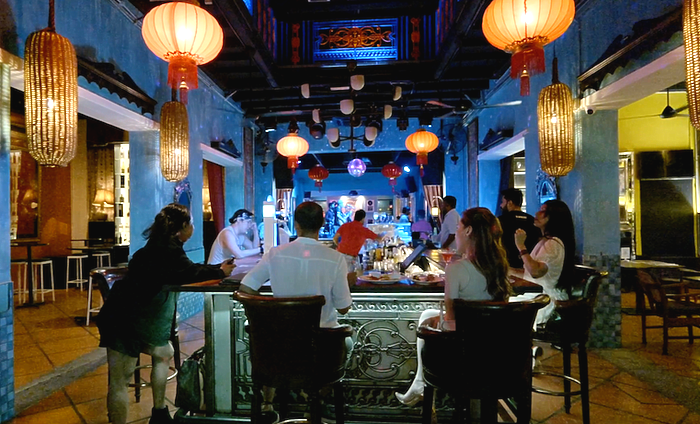
What they're known for: Tandoori grills, North Indian curries, live bands, and Georgetown's most complete night out under one roof
Recommended for dinner, especially on nights with live performances. Visit chuliacourt.com.my for details.
Also by YKH Group of Restaurants in Georgetown:
32 Mansion — Nyonya cuisine in a 1920s Italianate seaside villa
Suffolk House — Afternoon tea and dining in Malaysia's only Georgian mansion
360 Rooftop
— Malaysia's only revolving restaurant atop Bayview Hotel